
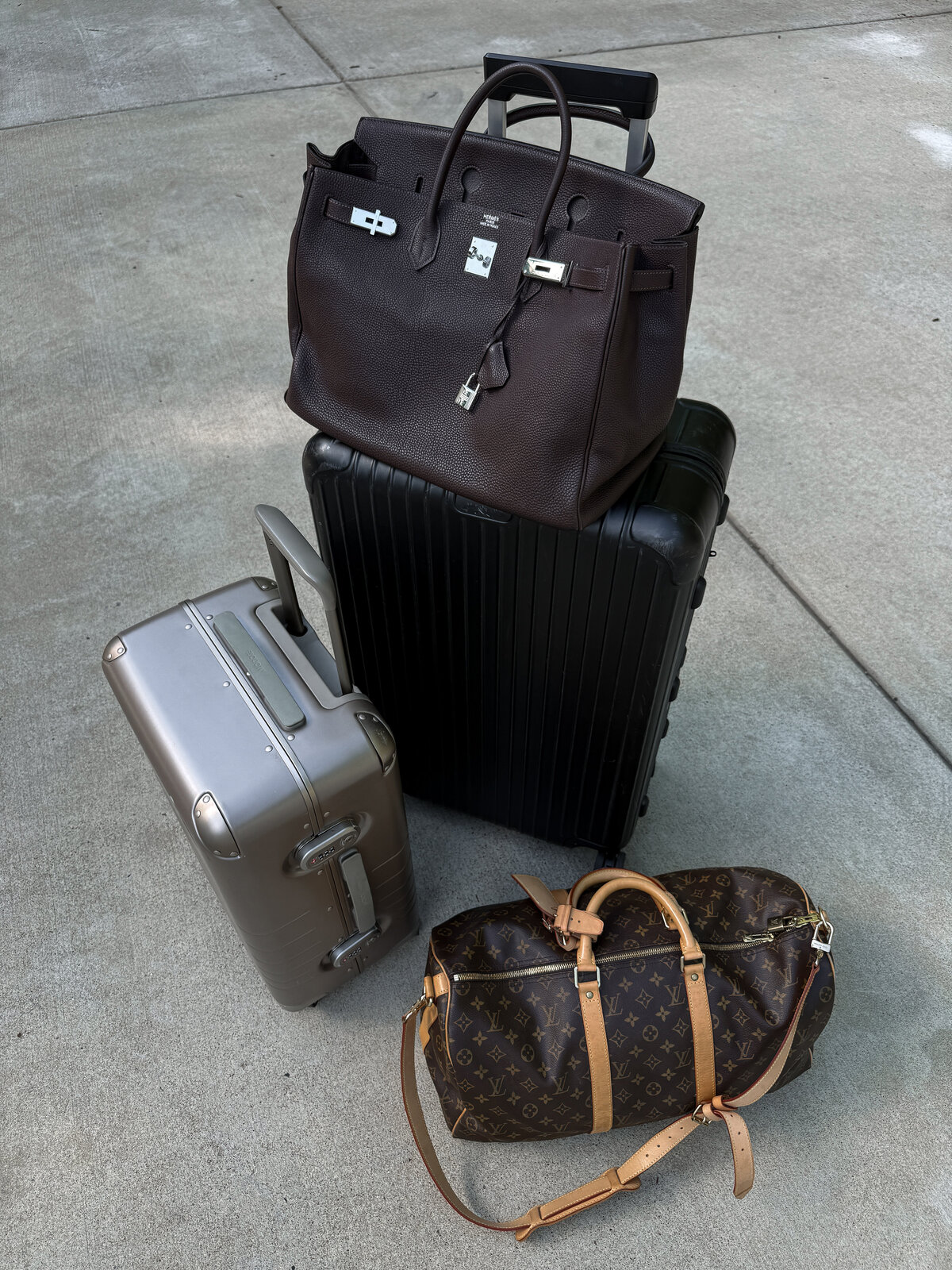
A useful travel bag begins with the journey it needs to support. A night away by car, a train trip with several changes, and a flight with a compact allowance place different demands on the same piece of luggage. List the items that must travel, then decide which need to remain close during the day. The bag can be judged against that plan rather than against an idealized packing photograph.
Check the external dimensions and the current carrier requirements when the trip involves a baggage allowance. Consider the weight of the empty bag as part of the total, and look at how it will be carried when full. Handles, a shoulder strap, or wheels each create a different routine at stairs, stations, and busy entrances. The best arrangement is the one that suits the movements the trip actually includes.
Give the interior a simple organization. Keep the items needed during the journey accessible, group small essentials in a pouch, and reserve a clear place for the return trip. A separate pocket can be helpful when it has a defined purpose; several unassigned compartments may make a small object harder to find. Test the layout at home with the actual items rather than an imagined packing list.
Finish by carrying the packed bag for a few minutes and checking the closures. Notice what catches, feels awkward, or becomes difficult to reach. Adjust the contents before adding another organizer or a second bag. This article is a practical selection guide, not a claim of personal mileage or a ranking of current products. A well-chosen bag makes the next part of the journey straightforward.
Read the Comments +
Loading comments…
Leave a Reply
Your email address will not be published. Required fields are marked *