
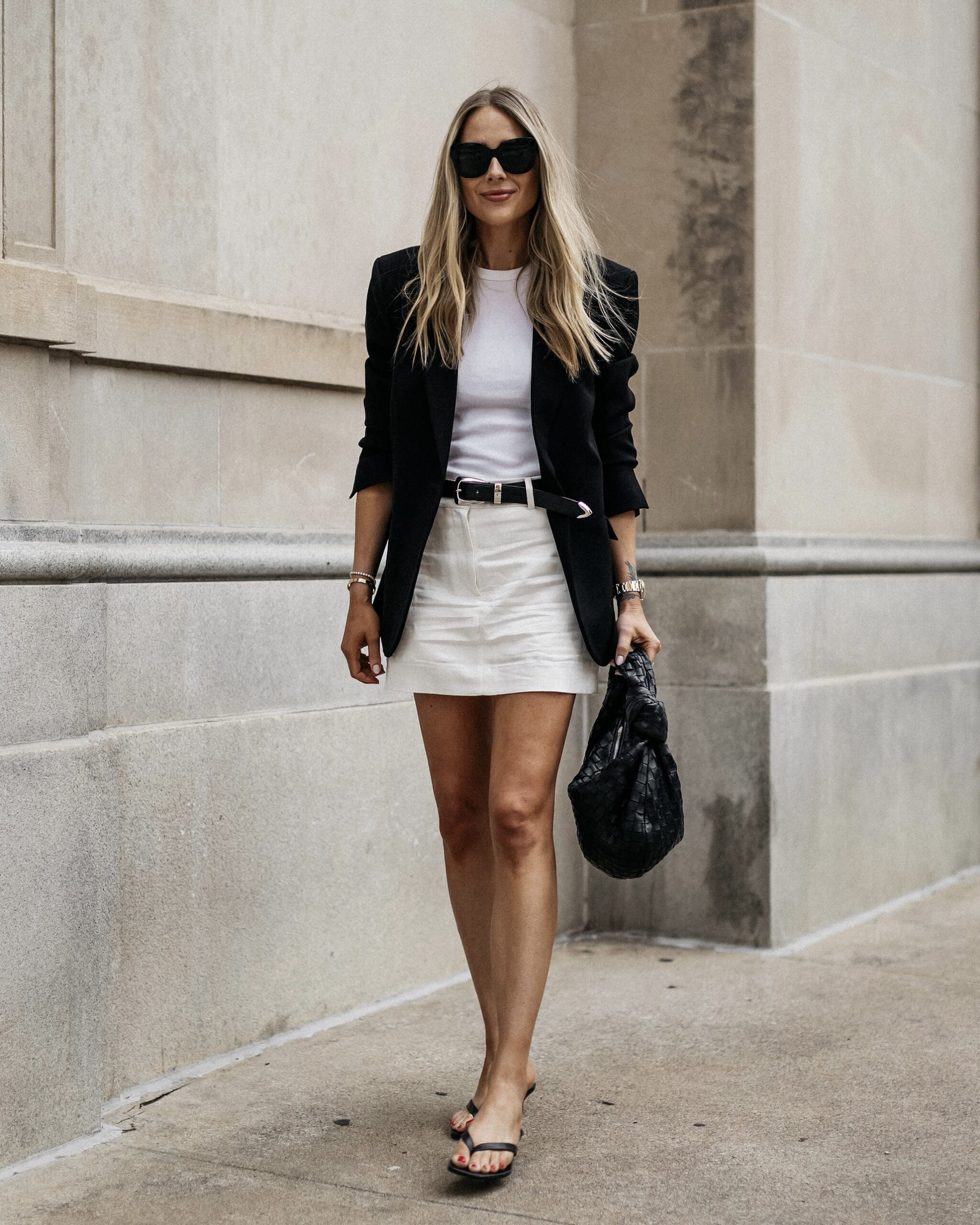
A useful wardrobe reset starts with the week ahead. Before moving hangers or folding another stack, look at what is actually on the calendar: working days, a dinner, errands, time at home. The aim is to make those ordinary moments easier to dress for, using clothes that already feel like you.
Choose a small area to work on first. One rail, one drawer or the section holding your everyday clothes is enough. Taking everything out at once can create a larger task than you intended. Keep the scope manageable so the clothes can be returned to a usable space when you finish.
Separate ready-to-wear pieces from anything that needs attention. Put washing, a loose button or a hem repair on a short list rather than returning the item to the same place and rediscovering the problem later. Follow each garment's care label, and keep pieces awaiting care together where they will not be confused with clothes ready for the next morning.
Build three complete outfits around familiar favourites. Start with a pair of trousers, a skirt or jeans that you reach for regularly, then add a top, an outer layer and shoes. A black blazer, for example, might work with the light base pictured here for one occasion and a longer trouser for another. Try each combination on; a pairing that looks promising on a hanger may need a different hem length or sleeve shape in practice.
Photograph the combinations that feel comfortable. Include the shoes and bag, since those are often the details that slow down getting dressed. Keep the pictures together in a small phone album, with a note if a look works best with a particular layer. This becomes a record of outfits you have actually tried, rather than a collection of ideas you still need to translate.
Return the most useful pieces to the easiest places to reach. Group clothes in a way that matches how you choose them: by type, by colour, or as a few planned outfits. There is no need for every shelf to follow the same system. If you regularly lose track of a favourite knit beneath a tall pile, shorten the stack or give it a clearer place.
Leave room for uncertainty. An item you have not worn recently does not have to leave immediately. Set aside a small group to try again when you have time, and consider whether fit, condition or a missing outfit partner is the real obstacle. Keep occasional clothing separate from everyday pieces if space allows, so useful but infrequently worn items do not obscure the weekly essentials.
Write down any genuine gaps only after you have made the outfits. Be specific about the job a missing piece would do, such as a layer that fits under a particular coat. Revisit the note after wearing the planned combinations; the gap may turn out to be a styling adjustment or a repair rather than a shopping need.
Finish by setting out the first outfit of the week and putting everything else away. A successful reset leaves a wardrobe you can use immediately, with a few reliable combinations and fewer unfinished decisions waiting behind the door.
Read the Comments +
Loading comments…
Leave a Reply
Your email address will not be published. Required fields are marked *